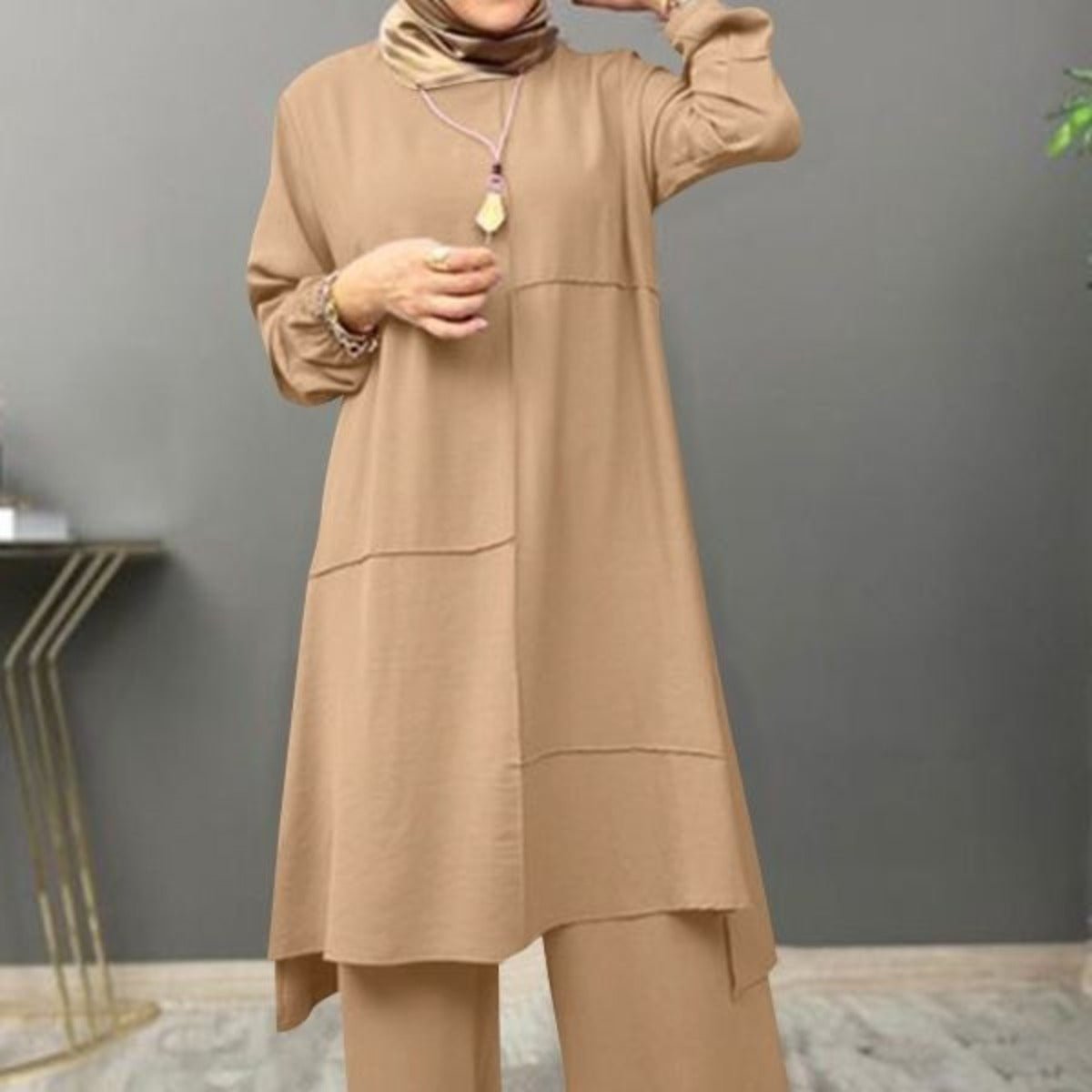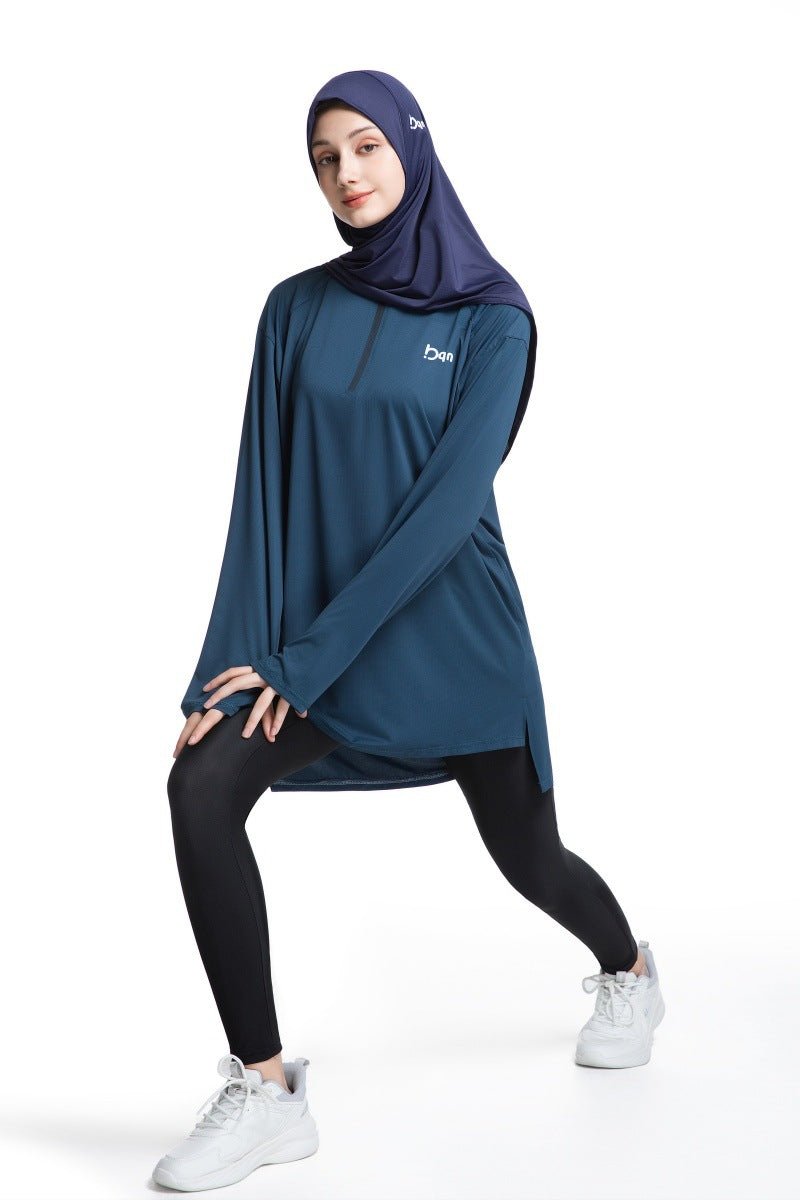

A Turkish abaya is a modest outer garment characterised by a looser, often A-line or straight cut that prioritises comfort and movement over strict structure, typically crafted from breathable fabrics like cotton blends or linen and designed with contemporary silhouettes that allow for layered styling and varied necklines.
Understanding the Turkish Abaya Silhouette
The Turkish abaya differs fundamentally from the traditional Gulf abaya in both construction and intention. Whilst Gulf abayas tend to feature a more dramatic drape and rely heavily on the fabric's weight to create an elegant line, Turkish abayas embrace a more architectural approach to cut. The emphasis is on creating defined shapes through tailoring rather than relying solely on fabric behaviour.
Turkish designers often work with structured fabrics and intentional seaming to build silhouettes that sit away from the body in a controlled manner. This means the garment maintains its shape throughout the day, whether you're moving between appointments or settling into a long meeting. The A-line cut is particularly common, creating a gentle flare from the waist or hip that provides both coverage and visual interest without excess fabric pooling at the hem.
At Mariam's Collection, we've noticed that customers who choose Turkish-cut pieces often appreciate the precision in construction — these abayas don't shift or settle differently as you move, which appeals to women who want reliability alongside elegance.

Fabric Choices in Turkish Abayas
The fabrics used in Turkish abayas reflect a philosophy of practicality blended with aesthetic refinement. Rather than the heavy, fluid silks or thick crepes favoured in some Gulf designs, Turkish abayas frequently feature cotton blends, linen mixes, and structured synthetics that offer breathability without sacrificing drape.
Cotton and Linen Blends in Turkish Abayas
Cotton-dominant fabrics are popular in Turkish abaya construction because they allow the garment to maintain its shape whilst remaining comfortable during extended wear. Linen blends add texture and a subtle visual depth that works well with the tailored cuts typical of Turkish design. These materials also age beautifully — they soften with washing but don't lose their structural integrity, making them a sensible investment for everyday wear.
Crinkle and Textured Fabrics for Turkish Abayas
Turkish designers frequently employ crinkle finishes and textured weaves to add dimension to simpler silhouettes. The 2-Piece Ice Silk Crinkle Hi-Lo Top & Wide Leg Pants Set(MS421) exemplifies this approach: the crinkle texture creates visual interest and movement without requiring a heavier fabric weight, and the hi-lo hem adds a contemporary edge that feels fresh without compromising modesty. Crinkled fabrics also have the practical advantage of concealing minor wrinkles, which suits busy lifestyles.
Structured Synthetics and Silk Blends
For more formal occasions, Turkish abayas often employ high-quality silk blends or structured polyester that holds a crisp fold. These fabrics allow for precise pleating and tailoring — the kind of detail work that distinguishes a well-made Turkish abaya from mass-produced alternatives. The 2-Piece Embroidered Peplum Jacket & Micro Pleat Maxi Skirt Set(MS417) uses structured fabric to maintain the precision of its micro pleats, ensuring the skirt retains its refined silhouette from morning through evening.

How Turkish Abayas Fit Differently
The fit of a Turkish abaya reflects its design philosophy: comfort without shapelessness, coverage without concealment of your natural proportions. This is a meaningful distinction that affects how you select your size and how the garment works with your body.
Waist Definition in Turkish Abayas
Many Turkish abayas incorporate a defined waistline, either through seaming, a subtle gather, or a peplum detail. This is less common in some traditional Gulf abayas, which often feature a more uniform, columnar shape from shoulder to hem. The waist definition doesn't mean the garment is fitted — it simply means the designer has intentionally marked where your waist sits, creating visual proportion. The 2-Piece Embroidered Peplum Jacket & Micro Pleat Maxi Skirt Set(MS417) uses a peplum to create this definition, whilst the 2-Piece Mandarin Collar Longline Shirt & Wide Leg Pants Set(MS418) achieves it through the shirt's cut.
Sleeve Length and Cuff Details
Turkish abayas often feature more varied sleeve treatments than their Gulf counterparts. Rather than the standard long, flowing sleeve, you might find cuffed sleeves, tapered cuffs, or sleeves that finish at the wrist with precision rather than draping past the hand. This reflects the practical Turkish approach to tailoring: every element serves both aesthetic and functional purposes. Cuffed sleeves also make it easier to layer — a key feature of Turkish modest fashion, where the abaya often works as an outer layer over coordinated pieces.
Length and Hem Variations
Whilst full-length hems remain the standard for abayas, Turkish design sometimes plays with hem shapes. The hi-lo hem — longer at the back, shorter at the front — appears in contemporary Turkish collections because it creates movement and visual interest whilst maintaining full coverage. The 2-Piece Ice Silk Crinkle Hi-Lo Top & Wide Leg Pants Set(MS421) uses this technique to add dynamism to a simple silhouette.

Layering and Styling Turkish Abayas
The construction of Turkish abayas makes them exceptional for layering, which is central to how they're worn. The structured cut means the abaya won't shift when you layer a dress, skirt, or trousers underneath, and the breathable fabrics mean you can wear multiple layers without overheating.
Pairing Turkish Abayas with Coordinated Sets
Many Turkish abayas work beautifully when worn as the outer layer of a coordinated set. The 2-Piece Hoodie Top & Full A-Line Maxi Skirt Set(MS427) can be worn together as a complete outfit, or the skirt can be paired with a Turkish abaya as a layered ensemble. Similarly, the 2-Piece Pearl Beaded 3D Rose Embroidered Jacket & Chiffon Pleated Maxi Dress Set(MS401) combines a structured jacket with a dress, offering flexibility depending on whether you want to wear it as a complete set or layer the jacket over other pieces.
Turkish Abayas for Everyday Wear
The practicality of Turkish abaya construction makes them ideal for daily wear. The defined silhouette means you can move confidently without constantly adjusting the garment. Pair a simple Turkish abaya with the 2-Piece Mandarin Collar Longline Shirt & Wide Leg Pants Set(MS418) for a polished everyday look, or layer it over the 2-Piece Hoodie Top & Full A-Line Maxi Skirt Set(MS427) for added texture and warmth during cooler months.
Turkish Abayas for Formal Settings
For professional environments or formal occasions, the structured nature of Turkish abayas works to your advantage. The precise tailoring and often-refined details communicate attention and care. The 2-Piece Pearl Beaded 3D Rose Embroidered Jacket & Chiffon Pleated Maxi Dress Set(MS401) demonstrates how Turkish design can incorporate intricate beadwork and embroidery whilst maintaining a sophisticated silhouette suitable for weddings, formal dinners, or professional events.

Caring for Turkish Abayas
The fabrics and construction methods used in Turkish abayas require straightforward care. Most benefit from gentle washing in cool water and air-drying to preserve both fabric integrity and the precision of any tailored details like pleats or structured seaming. If your Turkish abaya includes embroidery or beading — such as the 2-Piece Pearl Beaded 3D Rose Embroidered Jacket & Chiffon Pleated Maxi Dress Set(MS401) — hand-washing or using a delicate cycle protects these embellishments.
Avoid wringing structured fabrics; instead, gently squeeze out excess water. For crinkle-textured pieces like the 2-Piece Ice Silk Crinkle Hi-Lo Top & Wide Leg Pants Set(MS421), the texture naturally resists creasing, so minimal ironing is needed. If ironing is necessary, use a low heat and consider ironing on the reverse side to protect any surface details.

Sizing and Fit Considerations
Because Turkish abayas prioritise defined silhouettes over generous draping, sizing is more precise than with some traditional abayas. Measure your bust, waist, and hip, and refer to the specific garment's size guide — a Turkish abaya sized too large will look shapeless rather than elegantly loose, whilst one sized too small will pull at seams and restrict movement.
The 2-Piece Polka Dot Print Open Abaya Set(MOA316) offers an open-front design that provides flexibility in fit; the open style means the garment works across a broader range of sizes because it's not designed to close around the body. This makes it an excellent choice if you're between sizes or prefer maximum ease of movement.

Why Turkish Abayas Stand Out
Turkish abayas represent a distinct approach to modest fashion — one that values precision tailoring, contemporary silhouettes, and practical layering over the dramatic drape and weight of some traditional styles. The fabrics chosen for Turkish abayas prioritise breathability and shape retention, and the construction methods ensure the garment maintains its intended silhouette throughout the day.
Whether you're looking for everyday versatility or a refined piece for formal occasions, understanding how Turkish abayas fit and function helps you make choices that align with your lifestyle and aesthetic preferences. The structured cut, varied fabric choices, and thoughtful design details make Turkish abayas a sophisticated addition to a modest wardrobe.
Frequently asked questions
How is a Turkish abaya different from a Gulf abaya?
Turkish abayas emphasise tailored silhouettes and structured fabrics, with defined waistlines and precise cutting, whilst Gulf abayas rely more on fabric weight and fluid draping. Turkish designs prioritise comfort and contemporary styling, making them ideal for layering and everyday wear.
What fabrics are best for Turkish abayas?
Cotton blends, linen mixes, crinkle-textured synthetics, and structured silk blends are popular in Turkish abaya construction. These materials offer breathability, maintain their shape throughout the day, and work well with the tailored cuts typical of Turkish design.
Can I layer clothing under a Turkish abaya?
Yes — Turkish abayas are designed with layering in mind. The structured cut and breathable fabrics mean you can comfortably wear dresses, skirts, or trousers underneath without the abaya shifting or becoming uncomfortable.
How do I care for a Turkish abaya with embroidery or beading?
Hand-wash or use a gentle machine cycle in cool water, then air-dry. Avoid wringing; instead, gently squeeze out excess water. If ironing is needed, use low heat and iron on the reverse side to protect embellishments.
What size Turkish abaya should I choose?
Turkish abayas have more precise sizing than some traditional abayas because they're designed with defined silhouettes. Measure your bust, waist, and hip, and refer to the specific garment's size guide. Open-front designs offer more flexibility across sizes.
Are Turkish abayas suitable for professional settings?
Absolutely. The refined tailoring and structured silhouettes of Turkish abayas make them well-suited to professional environments. Pieces with subtle embroidery or sophisticated details work particularly well for formal occasions.
Related reading
- Graduation Abaya: Elegant Ceremony Dressing for Muslim Women
- How to Wear an Open Abaya: Styling Guide for Modern Modesty
- Butterfly Abaya Styling Guide: Elegant Looks for Every Occasion